
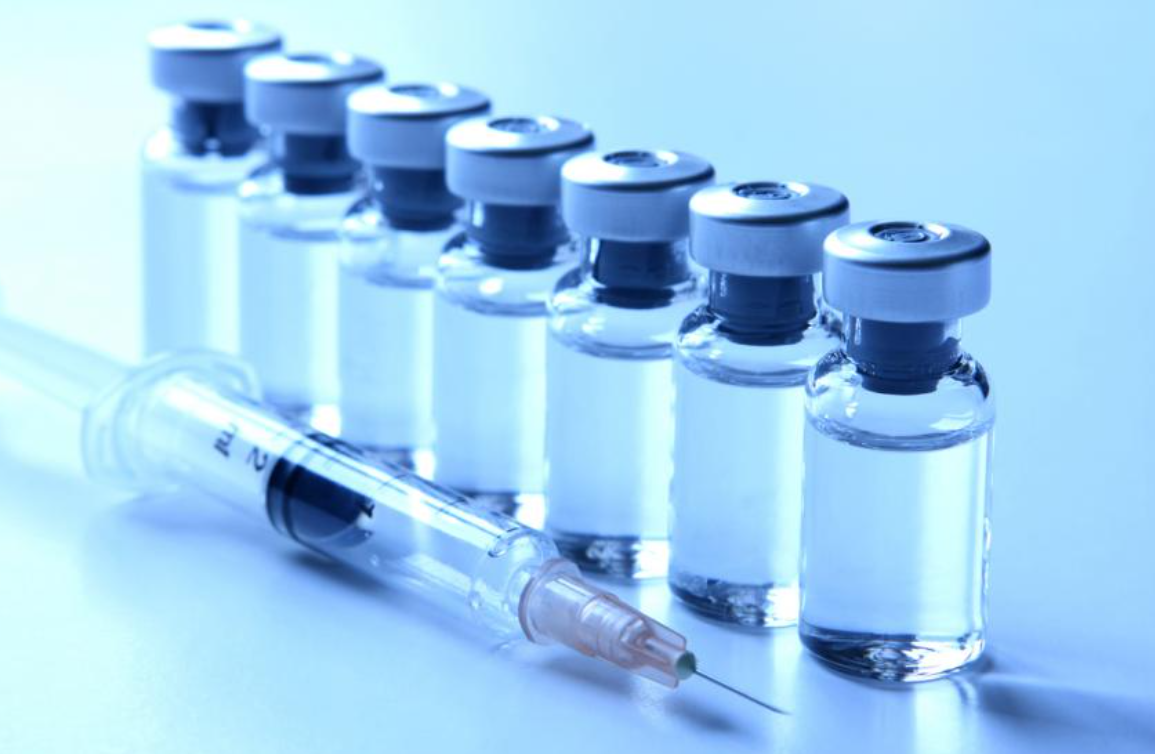
Somewhere in the weeks before a first trip to Tunisia, the question surfaces, usually late at night with a packing list half-written: do I need shots for this? The honest answer is that Tunisia asks almost nothing of you. There is no vaccine you must show at the border, no yellow-fever certificate, no malaria to dose against. What the country does ask is that you respect its sun, its stray dogs and its roads, and that you know where the pharmacy is. This guide covers all of it, from the travel-clinic appointment to the pharmacie de garde at two in the morning.
A note before the detail: we are a magazine, not a clinic. The vaccine guidance below summarises what the main English-language travel-health authorities currently advise, and the right place to turn it into a plan for your own body is a travel-health professional, ideally six to eight weeks before you fly.
The short answer
Tunisia requires no vaccinations for entry and, unusually for Africa, no yellow-fever certificate from anyone. Travel-health bodies in Britain and the United States advise most visitors to be current on routine childhood vaccines, to have hepatitis A cover, and to consider typhoid, hepatitis B and rabies depending on how long they stay and what they plan to do. Malaria is absent. The things that actually put travelers in Tunisian clinics are sunstroke, stomach upsets, road accidents and the occasional dog bite, and all four are easier to avoid than to treat.
What the travel clinics recommend
The UK’s TravelHealthPro, the source NHS clinics work from, puts two items in the “most travelers” column for Tunisia: hepatitis A, which spreads through food and water, and a current tetanus-diphtheria booster. Everything else sits in “some travelers.” Hepatitis B is suggested for longer stays, anyone likely to need medical care, and anyone whose plans involve new tattoos, piercings or partners. Typhoid is suggested for extended visits, for people staying with Tunisian families rather than in hotels, and for travel into rural areas, which, in practice, describes anyone heading for the interior or the south on more than a day trip. Rabies is suggested for stays of a month or more, for cyclists, runners and hikers who will meet dogs at speed, and for anyone far from a city.
American guidance from the CDC runs along the same lines, with the addition that it treats Tunisia as a rabies-risk country and reminds travelers to be up to date on measles, which has flared in North Africa in recent years.
None of these is urgent in the way the word “vaccine” implies. Hepatitis A is a single injection that protects for a year, with a second dose for long-term cover. Typhoid is one jab or a course of capsules. If you have left it late, a travel nurse can still do the useful ones a fortnight before departure.
What you don’t need
Malaria prophylaxis. Tunisia has no malaria transmission, and the mosquitoes that whine around the Cap Bon in August are a nuisance, not a vector. A yellow-fever vaccine; Tunisia has no transmission and asks for no certificate, whatever route you arrive by. Cholera vaccination. Anything exotic. A traveler who is current on routine vaccines and has hepatitis A cover is, for a fortnight on the coast, essentially done.
The risks that are real
Sun and heat send more visitors to Tunisian doctors than anything microbial. From June to September the coast runs above 30°C and the interior above 40°C; our weather guide has the month-by-month picture, and the desert guide explains why a day in the dunes needs three litres of water a person. Heat exhaustion arrives as a headache, nausea and a sudden loss of appetite, and the cure is shade, water and salt, not pressing on to the next ruin.
Stomach upsets are common in the first few days and almost always benign: heat, unfamiliar quantities of olive oil, harissa at every meal, a late dinner. Bottled water is universal and cheap. Food from busy stalls where the turnover is fast is safer than food that has sat; a fricassé from a queue is a better bet than one from a glass case. Fruit you peel yourself is fine, and Tunisia’s fruit is one of the better reasons to visit.
Dogs are the serious one. Tunisia records a handful of human rabies deaths each year, almost all after bites from unvaccinated village dogs, and almost all in people who never sought treatment. Stray dogs are everywhere, including on beaches and around ruins, and most are placid. The rule is simple: do not touch them, and if you are bitten or scratched, wash the wound with soap and running water for fifteen minutes, then go the same day to a public hospital or one of the Ministry of Health’s rabies centres, where post-exposure vaccination is given at little or no cost. This matters even if you had the pre-travel jabs; they buy you time, not immunity.
Scorpions and sandflies belong to summer in the centre and south. Scorpion stings are a genuine public-health problem for rural Tunisians in Kairouan, Sidi Bouzid, Gafsa and the oases, and a vanishing rarity for tourists, who are not sleeping on the ground in July. Shake out shoes in Tozeur and Ksar Ghilane, and you have done what the locals do. Sandflies carry cutaneous leishmaniasis, a slow-healing skin sore rather than a dangerous illness, in the same interior governorates from late summer; repellent at dusk and long sleeves in the oasis at night are the only precautions. Jellyfish drift onto some beaches in late summer, and the sting is painful rather than dangerous; lifeguards post warnings and pharmacies sell the cream.
Then there are the roads. We have written at length about Tunisian driving and renting a car, and the short version is that traffic is the single thing in the country most likely to hurt you. Wear a seatbelt, including in taxis and louages, where nobody else will. Avoid driving between towns after dark.
Pharmacies: the first stop for almost everything
Tunisia’s pharmacies are one of its quiet luxuries. There is one on nearly every commercial street, marked by the green cross, and the pharmacist behind the counter is a trained professional who will speak French, often some English, and will diagnose and dismiss most minor complaints in five minutes. Prices are regulated by the state and low; the country makes more than half of its own medicines, and a course of something ordinary costs a few dinars. Oral rehydration salts, antihistamines, sunburn cream, antiseptic and the usual painkillers are all over the counter. A surprising range of medicines that need a prescription at home can be bought in Tunisia with a conversation instead; that convenience is real, but let the pharmacist lead, and do not treat it as a way to stock up.
Saber Ben HassensubaruplusEdit Profile
Every town has a rota of pharmacies de garde that stay open overnight and on Sundays; the list is posted on each pharmacy’s shutter, in the local paper and on the Order of Pharmacists’ website. Tunis and the big resorts also have pharmacies de nuit that open every night as a matter of course.
Bring your own prescription medicines in their original packaging with the prescription or a doctor’s letter, because Tunisian customs can ask about them and Tunisian equivalents may differ in brand, strength or availability. Strong painkillers, sleeping tablets and anything containing codeine deserve a check with the nearest Tunisian embassy before you travel.
Doctors, clinics and hospitals
If a pharmacist sends you further, you have two systems to choose from. Public hospitals, the hôpitaux in every governorate capital, are where emergencies and rabies treatment go, and where the country’s best specialists often work; they are also crowded, under-funded and, outside Tunis, Sousse and Sfax, basic. Private clinics are the other Tunisia: modern, well-equipped, staffed by French-trained physicians, and cheap enough that Europeans fly in for surgery. A general practitioner’s consultation at a private surgery is set by national tariff at roughly 40 to 55 dinars, a specialist at 55 to 80, and a private clinic room at a few hundred dinars a night. The better hotels keep a doctor on call who will come to your room for somewhat more than a surgery visit.
Everything is paid up front, in cash or by card, and claimed back later. Foreigners have no entitlement to free care, and a clinic will not admit you for anything serious without a deposit or a guarantee from your insurer. This is the practical reason to carry travel insurance for Tunisia: not because treatment is expensive by European standards, but because medical evacuation to Europe, if you ever need it, runs into five figures, and because the insurer’s assistance line will know which clinic in Sousse to send you to at midnight. Keep every receipt and ask for an itemised facture.
For emergencies, dial 190 for SAMU, the public ambulance service, 197 for police and 198 for the fire service, and expect the operator to speak Arabic and French rather than English. Ambulance cover is reliable in Tunis, Sousse, Sfax and the resort zones; elsewhere a taxi to the hospital is often faster, and any Tunisian within earshot will help you find one. The full list of emergency numbers and the broader safety picture is in our guide to whether Tunisia is safe.
A short kit, and a few words
Pack a small pharmacy of your own and you will rarely open it: rehydration salts, a few painkillers, plasters, high-factor sunscreen, insect repellent, and whatever you take daily. The packing list covers the rest, and families should read the traveling with kids guide, which has the paediatric notes. Learn three words: saydaliya is a pharmacy, tbib is a doctor, and mrith means “I’m sick,” which, said at any counter in the country, will produce more help than you asked for. The Tunisian Arabic phrases guide has the rest.
Most visitors never need any of it. They come home sunburnt, a kilo heavier and otherwise untouched, and the vaccine question that kept them up before the trip turns out to have been the least of it.
From the Carthage Magazine Bookshelf
With the health questions answered, the rest of the trip comes down to knowing the country, speaking a little of its language, and eating well — which is what these three are for.
- All About Tunisia — the definitive English-language traveler’s guide. 572 pages, 27 chapters, all nine regions, every UNESCO inscription, five thematic trails — and the practical answers (visa, currency, transport, etiquette) most travelers wish they’d had on the plane. $24.99 · PDF & EPUB.
- Speak Like a Local — 200+ Tunisian Arabic phrases with native audio recorded in Tunis. The phrases for the taxi, the souk, the café, and the dinner table. $14.99 · PDF, EPUB, MP3.
- The Authentic Tunisian Cookbook — sixty traditional recipes from the heart of North Africa. For when you get home and find yourself missing the food. $9.99 · PDF & EPUB.
All three available as a bundle for $39.99 — guide, language, and food, delivered together.
