
Chapter I · Salads
Slata Mechouia — Grilled Pepper & Tomato Salad
Tunisia’s most beloved salad. Vegetables charred over open flame until their skins blister and their sugars caramelise — the taste of a Tunisian summer.
A Carthage Magazine Cookbook · First Edition
Sixty traditional recipes from the heart of North Africa — from the harissa of Tunis to the saffron rice of Djerba, from the brik of street vendors to the slow-baked koucha of Sfax.
A note from the editors
Tunisia sits at the crossroads of civilisations — a small country on the northern tip of Africa, bordered by the Mediterranean Sea, the Sahara Desert, and centuries of history. It has been home to the ancient Carthaginians, the Romans, the Arabs, the Ottomans, and the French. Each visitor left something behind, and nowhere is that legacy more vivid than in the kitchen.
Tunisian cuisine is bold, aromatic, and deeply personal. It is the smell of harissa sizzling in olive oil, the warmth of a clay pot of lablabi on a winter morning, the sweetness of a makroudh shared with mint tea. It is food that tells stories — of fishing villages, desert caravans, family kitchens, and bustling medina souks.
This is the first English-language cookbook of its kind from Carthage Magazine — sixty recipes, every one cross-checked against authoritative Tunisian sources, every one written with the cultural context that turns a recipe into a story.
What’s inside
Sixty recipes across ten chapters — from everyday weeknight stews to weekend celebration feasts.
A taste of the book
From smoky pepper salads to slow-baked lamb, here are a few of the recipes you’ll find inside.
Chapter I · Salads
Tunisia’s most beloved salad. Vegetables charred over open flame until their skins blister and their sugars caramelise — the taste of a Tunisian summer.

Chapter I · Mezze
Perhaps the single most iconic Tunisian street food — thin malsouka pastry folded around a whole egg and fried until shatteringly crisp. Eat immediately.
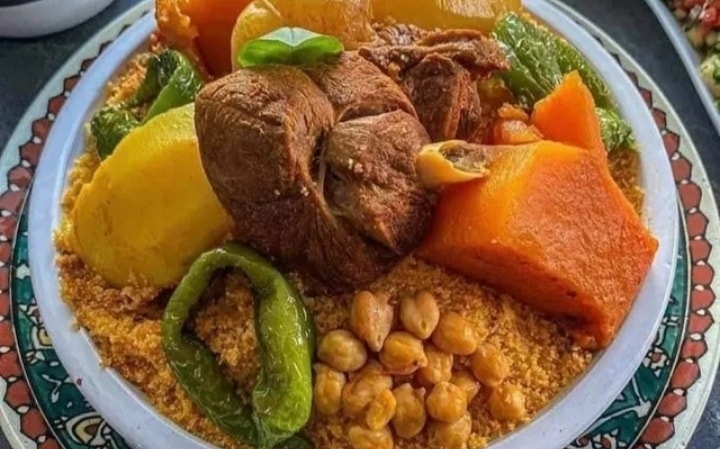
Chapter IV · Meat
The great weekly ritual of the Tunisian table. Families gather for a steaming mountain of semolina crowned with slow-cooked lamb and vegetables, fragrant with tabil and harissa.

Chapter IV · Meat
The king of Tunisian dishes — its name comes from the Arabic for “royal.” Dried jute leaves toasted in olive oil until almost black, then braised with beef for hours.
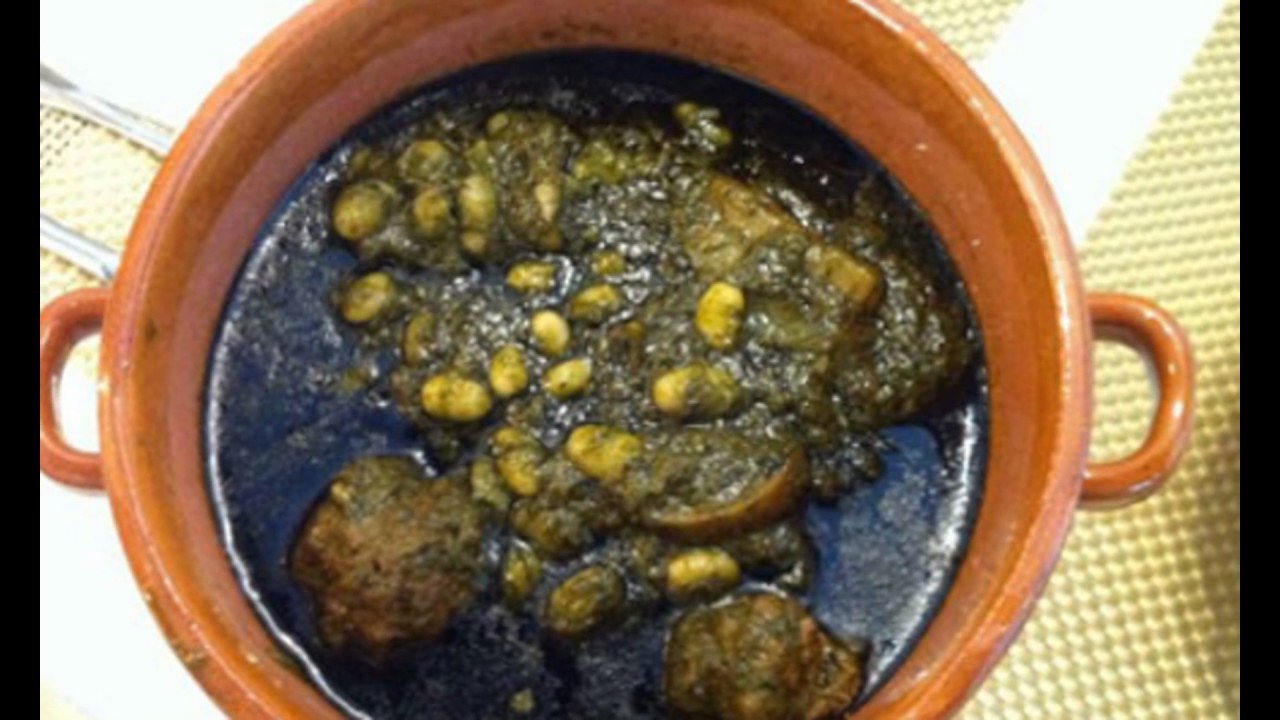
Chapter II · Stews
Chard fried in olive oil until almost black, then simmered for hours with white beans, beef, and small spiced meatballs until the oil rises golden to the surface — a deeply traditional plate from the home kitchens of the medina.
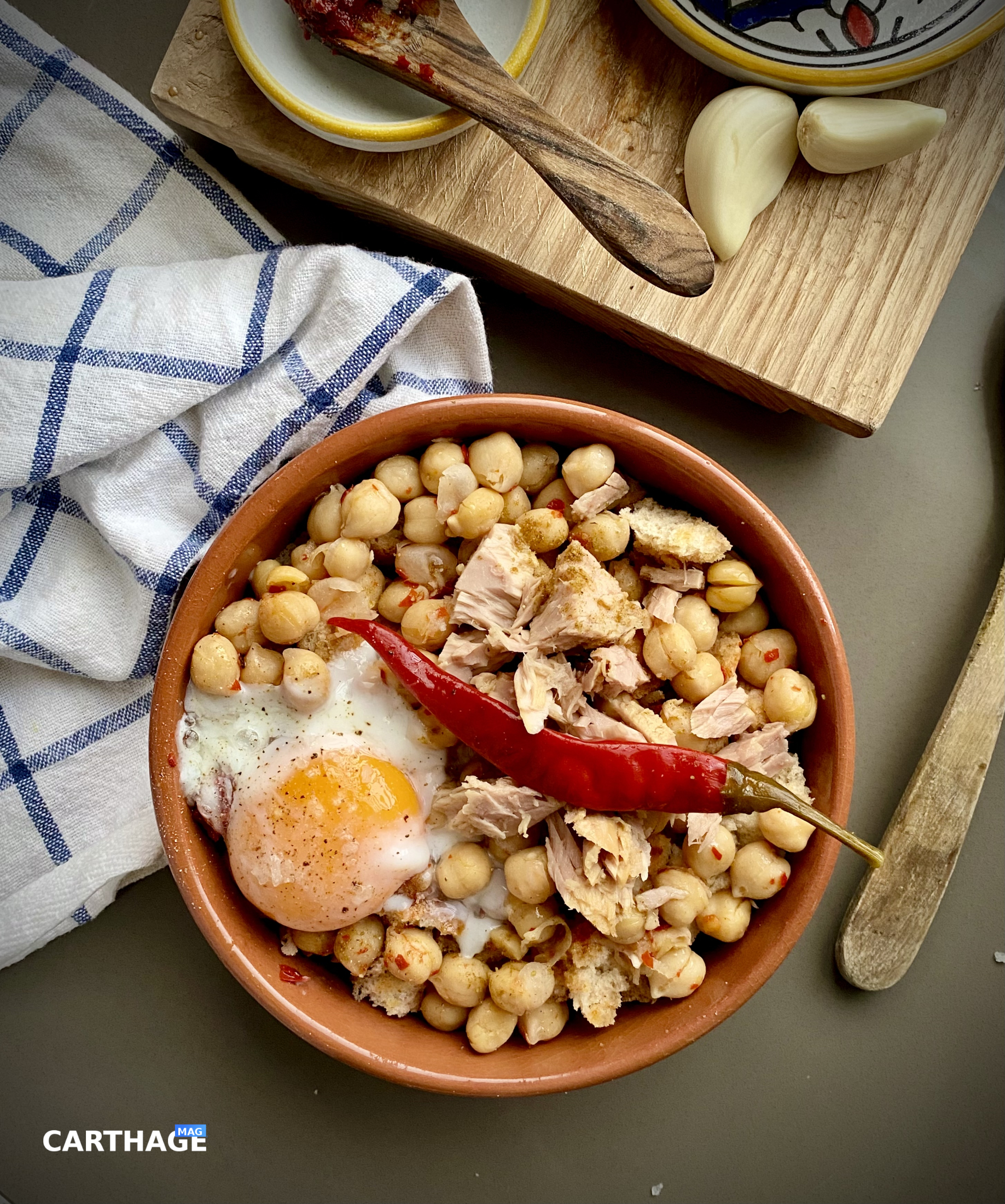
Chapter II · Soups
The soul food of Tunisia. On cold winter mornings, workers line up at street stalls for bowls of intense chickpea broth served over torn stale bread, crowned with tuna, capers, a soft egg, and a generous swirl of harissa.
The author
A Tunis-based food writer who learns Tunisian cuisine where it’s really made — in markets, home kitchens, and on street corners.

Author & Food Writer
Tunis-based food lover whose passion for Tunisian cuisine runs as deep as the country’s culinary history. Years spent in markets, home kitchens, and street corners where the real food is made — not in restaurants.
Secure checkout · Instant download · All major cards accepted
Questions
You’ll receive both a PDF (best for tablets, desktops, and printing) and an EPUB (best for Kindle, Kobo, Apple Books, and other e-readers). Both formats are included in your purchase.
Immediately after checkout you’ll receive an email with a secure download link. The files are yours to keep, with lifetime access. You can re-download them at any time.
Yes. Every recipe in this cookbook has been cross-referenced against authoritative Tunisian sources, including recettetunisienne.com. Where regional or family variations exist, we’ve noted them honestly. We’ve removed dishes that turned out to belong to other cuisines and added several that are quintessentially Tunisian but rarely appear in English-language cookbooks.
The recipes use metric measurements as standard (grams, millilitres, Celsius). A US conversion chart is included at the back of the book.
No. A heavy-bottomed pot, a wide skillet, and a regular oven will handle most recipes. A couscousière is ideal for traditional couscous but a steamer or fine-mesh colander over a pot works just as well. The book includes notes on substitutions for traditional Tunisian equipment.
Yes — please get in touch with us through carthagemagazine.com to arrange a gifted copy with a personal note from you to the recipient.
A print edition is in development. Subscribe to the Carthage Magazine newsletter to be notified when it’s available.
The cookbook is where the journey ends — and begins. The guide tells you where to go and what you’re looking at. The phrasebook gives you the language to talk to the people who made the food. Together, they’re the project.
by the Carthage Magazine editorial staff
The definitive English-language guide — 572 pages, 27 chapters, every region and every UNESCO inscription. Written and verified by Tunisians.
by Saber Ben Hassen
Tunisian Arabic for travelers, with audio recorded in Tunis by a native speaker — 200+ phrases, 13 chapters, native MP3 audio.
by Amira Ben Harcha
Sixty traditional recipes from the heart of North Africa — from the harissa of Tunis to the saffron rice of Djerba.
Travel guide, phrasebook, and cookbook — all three Carthage Magazine ebooks delivered instantly, at a meaningful discount.
