Carthage Magazine · Tunisia’s story, told in English
A Carthage Magazine Phrasebook · First Edition

Speak Like a Local.

Tunisian Arabic for travelers — the spoken language Tunisians actually use, with audio recorded by a native speaker for every phrase in the book.

200+ phrases 13 chapters Recorded in Tunis Pocket cheat sheet
$14.99
Digital edition · Audio bundle included · Instant download
Get the phrasebook
The audio difference

Hear it from a Tunisian.

Reading Tunisian Arabic in Latin letters only gets you halfway there. The 3, the 7, the 9 — three sounds that don’t exist in English — have to be heard to be said.

Every phrase in this book has a recorded pronunciation by a native speaker. No robot voices. No generic Modern Standard Arabic. Just a Tunisian, in Tunis, saying the words the way you’ll actually hear them on the street.

Scan from the page

A QR code beside every phrase. Point your camera at it; the audio plays in your browser. No app to install.

Take it offline for the trip

A downloadable MP3 bundle ships with the book — every recording, organized by chapter. Load it on your phone before the flight; no roaming required.

Chapter 4 · Sample 0:02
Thank you
Y3aychek
يعيشك
Native voice Recorded in Tunis
A note from the author
— ◆ —

The conversation I’ve had a hundred times, distilled.

I’m Saber Ben Hassen. I was born and raised in Tunis. I left Tunisia to study and live in the United States, and the years I spent abroad gave me something most language teachers don’t have: I know exactly what it feels like to be the foreigner trying to navigate a language nobody around you treats as foreign.

A generic “Arabic phrasebook” will teach you Modern Standard Arabic or Egyptian Arabic. Neither will land in Tunisia. Walk into a Tunis café and ask for tea in either, and you’ll be understood — but you’ll also be marked instantly as someone who didn’t do their homework.

This book teaches Derja — the language people actually use to greet you, charge you, feed you, joke with you, and welcome you home. Every phrase has been verified by me. Every cultural note reflects the country as it actually is, not as a tourist brochure imagines it.

A small piece of advice before you start: try the phrases. Mispronounce them. Get the throat sounds wrong. Tunisians will laugh kindly, correct you once, and like you better for trying than they ever would for staying silent. That’s how it works here.

Haya — let’s go. Saber Ben Hassen, Tunis
What’s inside

A complete survival kit for two weeks in Tunisia.

Thirteen chapters across three parts — read the foundations before you fly, the situation chapters as you need them, the cheat sheet when you’re in a panic.

200+
Phrases
13
Chapters
100%
Native audio
1
Pocket cheat sheet
Part I — Foundations
Chapter I
Welcome to Tunisia
What Derja is, and why you need it
Chapter II
Pronunciation in 10 Minutes
The three throat sounds, with audio
Chapter III
The 30 Phrases
That Get You Through
Memorize ten before you land
Part II — Daily Survival
Chapter IV
Greetings, Politeness & Religious Phrases
The hello ritual, body language, Saha
Chapter V
Numbers, Time & Money
Including the Alef convention — read carefully
Chapter VI
Getting Around (Taxis & Transport)
Negotiating fares, louages, real dialogues
Chapter VII
Cafés, Restaurants & Food
The coffee order, the tea ritual, the bill
Chapter VIII
Shopping & the Medina
Bargaining without offending anyone
Chapter IX
Beach, Hotel & Outdoor
From the Sahel to the Sahara
Chapter X
Health & Emergencies
Pharmacies, clinics, lost passports
Part III — Cultural Fluency
Chapter XI
Making Friends & Accepting Hospitality
Being invited home for couscous
Chapter XII
Ramadan, Friday Prayer & Religious Etiquette
Mosque, modesty, the call to prayer
Reference
Chapter XIII
The Pocket Cheat Sheet
Photograph it. Save it as your lock screen.
The Arabizi Key

Three numbers that stand for three sounds.

Tunisians use numbers for letters that don’t exist in English when they text and post online. This book uses the same convention — so what you read on the page matches what you’ll see on a Tunisian’s phone.

3
ع
ayn
A soft, throaty “ah” — almost a gentle gag.
7
ح
ha
A heavy, breathy “h” pushed from the back of the throat.
9
ق
qaf
A “K” produced at the very back of the throat.

You’ll see them throughout the book: 3aychek (please), We7ed (one), 9adech (how much). Chapter 2 walks you through each sound with practice exercises and audio.

A taste of the book

Six phrases that open the door.

The first words you’ll learn — and the ones that make a Tunisian smile when a foreigner uses them.

Chapter IV · Greeting
Hello / Peace
Asslema
عسلامه
The first word of Tunisian you’ll learn — peace be with you.
Chapter IV · Thanks
Thank you (with feeling)
Y3aychek
يعيشك
Literally may God grant you life. Tunisians feel the warmth even if they don’t parse it.
Chapter V · Money
How much?
9adech?
قداش؟
The single most useful word in the medina, the taxi, the café.
Chapter VI · Taxi
Use the meter, please
L’compteur, 3aychek
الكونتور يعيشك
The phrase that saves you from the airport-taxi tourist tax.
Chapter IV · Religion in Speech
God willing
Nchalah
إن شاء الله
Attached to almost any future statement. Not theological — verbal humility.
Chapter VIII · Medina
May God bless it (deal closed)
Allah yberek
الله يبارك
When the vendor says this, the bargaining is over. Smile and pay.
The author

Written by a Tunisian, for the traveler.

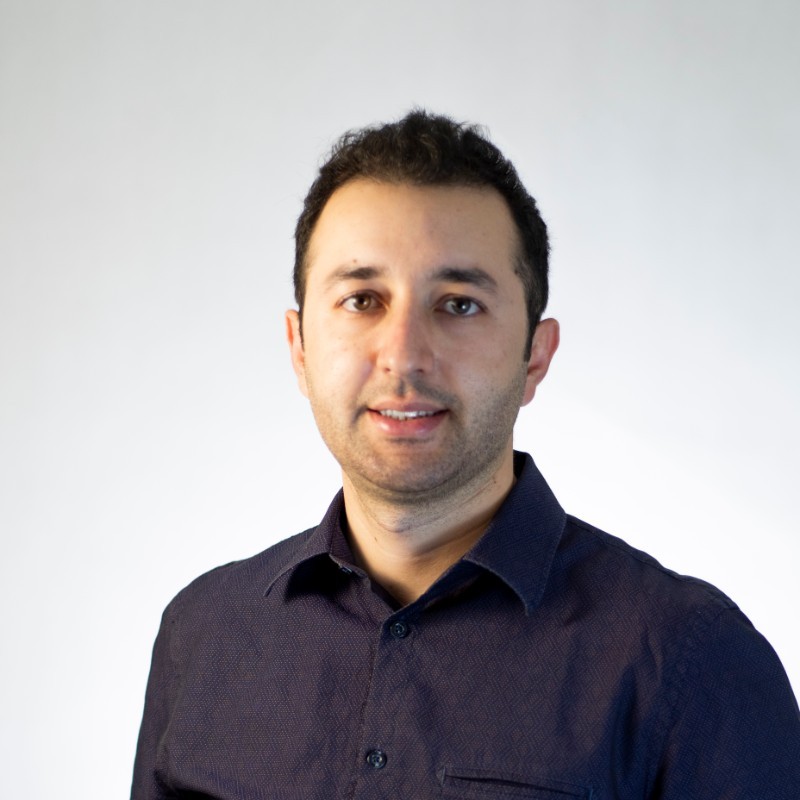
Saber Ben Hassen
Author & Founder

Saber Ben Hassen

Born and raised in Tunis. Studied and lived in the United States, which gave him something most language teachers don’t have — the foreigner’s perspective on a language nobody around him treats as foreign. Founder of Carthage Magazine, the independent publication telling Tunisia’s story to the English-speaking world since 2019. This book is the result of years of fielding the same questions from friends and travelers preparing to visit — distilled, verified, and written down.

Available now
— ◆ —

Bring Tunisia’s language on the trip.

$14.99
Digital edition · Audio bundle included · Instant download
PDF & EPUBBoth formats
MP3 AudioOffline bundle
All devicesPhone, tablet, e-reader
LifetimeFree updates
Get the phrasebook
Secure checkout · Instant download · All major cards accepted
Questions

Before you buy.

Two ways. Inside the ebook, every phrase has a small QR code beside it — point your phone’s camera at it and the recording plays in your browser. Separately, you also get a downloadable MP3 bundle (tunisian-audio-bundle.zip) containing every recording, organized by chapter. The bundle is what most travelers actually use on the trip — load it on your phone before you fly and you won’t need data roaming to access it.
A native Tunisian speaker, recorded in Tunis. Not text-to-speech. Not a Modern Standard Arabic voice actor. The pronunciation is the real, everyday Tunis-area Derja you’ll hear on the street.
You’ll receive a PDF (best for tablets, desktops, and printing) and an EPUB (best for Kindle, Kobo, Apple Books, and other e-readers). Both formats are included in your purchase, plus the MP3 audio bundle.
Yes — the book is written for travelers with no Arabic background. You don’t need to read Arabic script. Every phrase is given in the same Latin-with-numbers convention Tunisians themselves use when they text (the Arabizi system), with a short pronunciation chapter that takes about ten minutes to read. The Arabic script is included for context, but isn’t required.
Because nobody in Tunisia orders coffee in MSA. MSA is the language of news broadcasts and Friday sermons; Tunisian Derja is the language of daily life. They’re different enough that an MSA phrasebook won’t actually help you bargain in the medina or tell a taxi driver to use the meter. This book teaches what you’ll actually hear and need to say.
Yes — and we strongly recommend you use it that way. Many travelers turn off data roaming abroad, and the offline MP3 bundle is the most-used asset of the entire book. Download it before you fly and you’ll have every phrase available even with airplane mode on.
Yes — please get in touch with us through carthagemagazine.com to arrange a gifted copy with a personal note from you to the recipient.
A print edition is in development. Subscribe to the Carthage Magazine newsletter to be notified when it’s available.
The companion volume

If language opens the door, food sits you at the table.

The Authentic Tunisian Cookbook — sixty traditional recipes from the heart of North Africa — is the food side of the same project. Together, they’re an attempt to give a foreigner real cultural keys to one of the Mediterranean’s most underrated countries.

See the cookbook →
About the publisher

Carthage Magazine

Tunisia’s first and largest premier English-speaking general-interest publication. Carthage Magazine uncovers the country’s rich culture, innovative spirit, and vibrant civil society — redefining the conversation about Tunisia and the wider MENA region.