
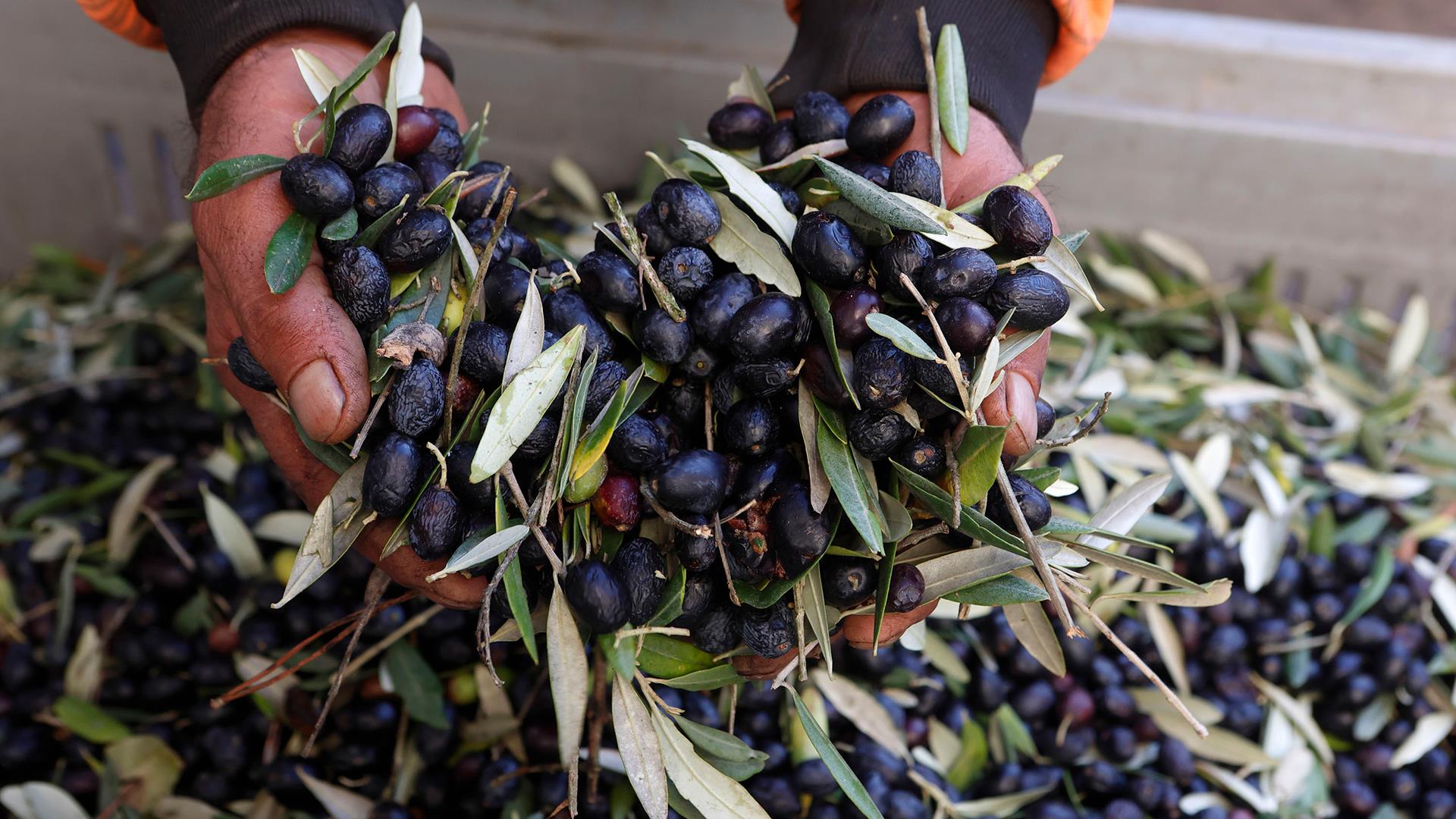
Tunisia has solidified its position as the global leader in organic olive cultivation, with approximately 144,000 hectares of land dedicated to organic olive production. This achievement, reported by the Directorate General of Organic Agriculture within Tunisia’s Ministry of Agriculture, Water Resources, and Fisheries, marks a significant milestone for the country. By the end of 2025, Tunisia aims to further enhance its organic produce exports, generating an estimated US$574 thousand in revenue.
Samir Abid, the Minister of Trade and Export Development, highlighted the country’s remarkable success in olive oil exports during the months of December, January, and February. “These results are a testament to Tunisia’s economic diplomacy and collaborative efforts,” Abid stated, noting that monthly olive oil exports surpassed 50,000 tonnes. This success is attributed to the combined efforts of various stakeholders within the sector.
The organic farming sector, now covering 235,000 hectares, has become a crucial component of Tunisia’s agricultural landscape. With around 6,270 participants involved—including producers, processors, and exporters—Tunisia’s well-organized value chains and certification systems aligned with international standards are helping to strengthen its presence in global markets.
Tunisia’s favorable natural conditions for olive cultivation, coupled with the nation’s strategic development plan for the sector through 2030, continue to drive growth. The national strategy, aimed at improving agricultural management and enhancing product quality, is also instrumental in stimulating the country’s broader economic development. As part of this strategy, the government is focusing on diversifying the economy by promoting ecotourism and crafts in pilot zones such as Sejnane, Kesra, El Haouaria, Majel Bel Abbes, and Hazoua.
