
Tunisia’s National Institute of Statistics has released a new statistical bulletin revealing significant demographic and social changes across the country between 2019 and 2023. The data highlights notable transformations in marriage rates, divorce figures, birth numbers, and mortality statistics — painting a complex picture of a society in transition.
Marriage on the Decline
One of the most striking findings in the report is the steady decline in marriage contracts. The total number of marriages fell by approximately 12.2% over the five-year period, dropping from 83,105 contracts in 2019 to 72,953 in 2023.
The sharpest drop occurred in 2020, when marriages plummeted by nearly 21% compared to the previous year — a decline widely attributed to the disruptions caused by the COVID-19 pandemic, which severely limited social gatherings and ceremonial events. A partial recovery followed in 2021 and 2022, though the numbers never returned to pre-pandemic levels.
Divorce: A More Complex Picture
The divorce figures tell a nuanced story. While the overall number of divorces recorded a 7.5% decrease compared to 2019 — when 17,306 cases were registered — the more recent trend points in the opposite direction. Between 2021 and 2023, divorce cases rose by approximately 27.2%, climbing from 12,589 to 16,012 cases.
This upward trajectory in recent years suggests that, despite a temporary dip during the pandemic period, marital dissolution is once again on the rise — a trend that sociologists and family researchers may find worth monitoring closely.
A Sharp Fall in Births
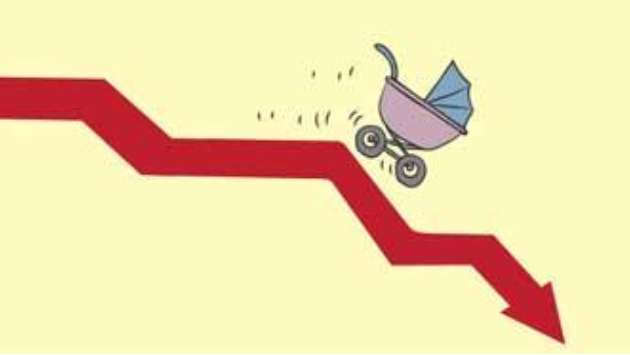
Perhaps the most concerning finding in the bulletin is the dramatic decline in birth rates. The number of male births fell by nearly 31%, from 100,644 in 2019 to just 69,436 in 2023. Female births recorded an equally steep drop of around 31%, falling from 95,179 to 65,712 over the same period.
This decline in births, combined with the drop in marriage rates, signals a broader shift in family formation patterns in Tunisia. Economic pressures, changing social norms, and the lingering aftereffects of the pandemic are all likely contributing factors.
Deaths: A COVID Spike and Gradual Recovery
Mortality data reveals the profound human toll of the COVID-19 pandemic in Tunisia. Deaths surged by approximately 40.6% between 2019 and 2021, rising from 76,091 to 107,006 cases — a stark reflection of the virus’s deadly peak.
By 2023, however, the death toll had retreated significantly, falling by around 27% compared to 2021, to approximately 77,968 — just 2.5% above the pre-pandemic 2019 figure. This suggests a return to near-normal mortality levels following the worst of the health crisis.
On a more encouraging note, infant mortality showed a clear downward trend, with the number of newborn deaths falling by nearly 39% between 2019 and 2023, from 2,314 cases to 1,410. This decline points to continued improvements in maternal and neonatal healthcare.
Conclusion
Tunisia’s demographic data between 2019 and 2023 reflects a society navigating a period of considerable change. The simultaneous decline in marriages and births, the rebound in divorces, and the mortality spike caused by COVID-19 all point to a population undergoing structural and behavioral shifts. As Tunisia continues to recover from the pandemic’s social and economic fallout, these trends will likely shape public policy discussions on healthcare, housing, family support, and economic development for years to come.
