
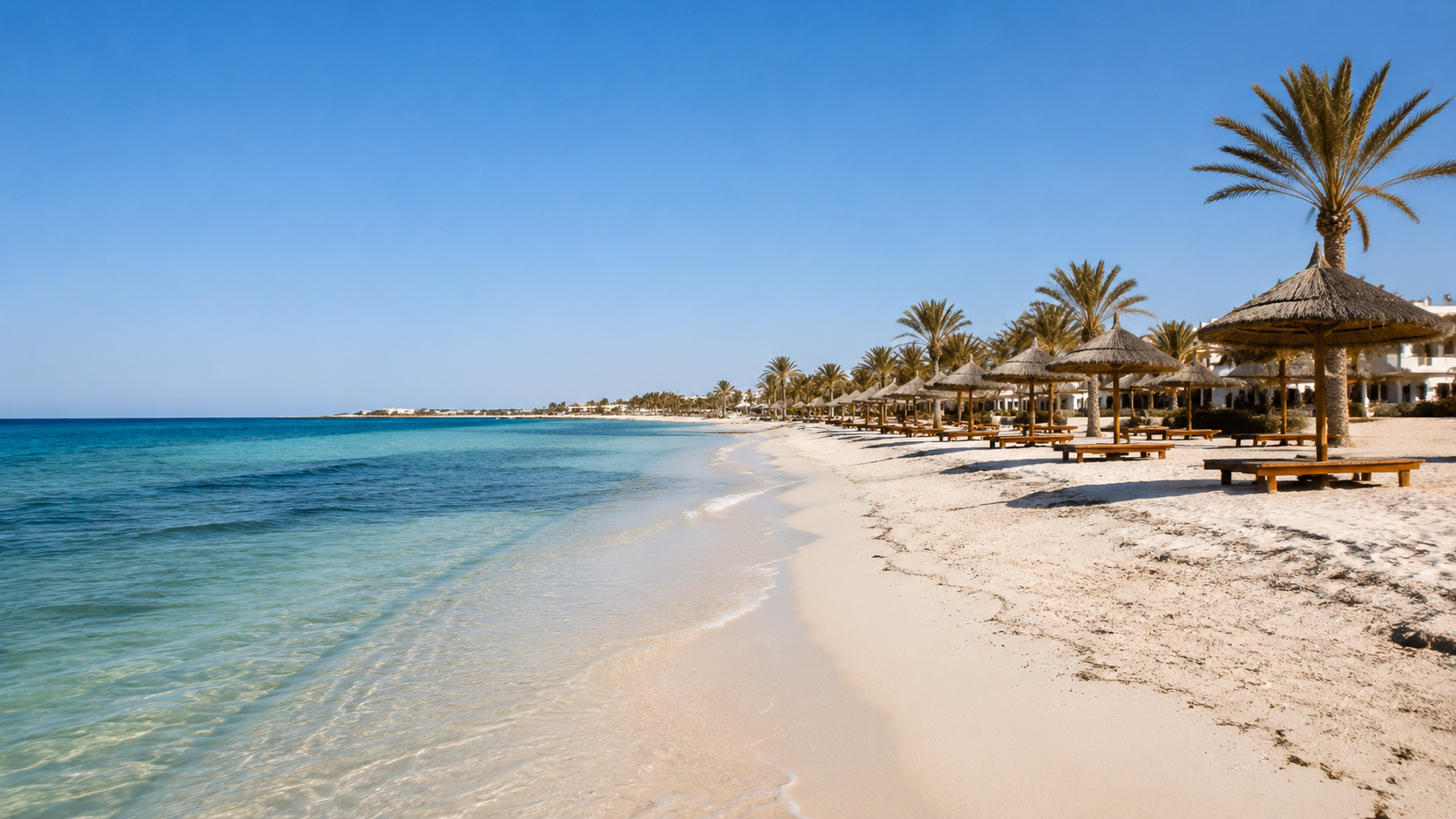
There is a moment, usually on the second morning, when a visitor to Djerba realises the beach outside their hotel is not the only one — that the island is ringed with sand, and that the strip of loungers in front of the resort is the busiest, most developed version of something that gets wilder, emptier, and more beautiful the further you go. The island’s coastline runs to some 125 kilometres, and how good your beach day is depends almost entirely on which stretch of it you choose.
Djerba’s beaches divide, roughly, into two kinds: the lively, full-service sands of the northeast where the hotels cluster, and the quiet, often near-empty beaches of the south and west that most package tourists never reach. Here’s an honest tour of both, and how to get to the ones worth the trip.
Sidi Mahrez: the postcard, and the crowds
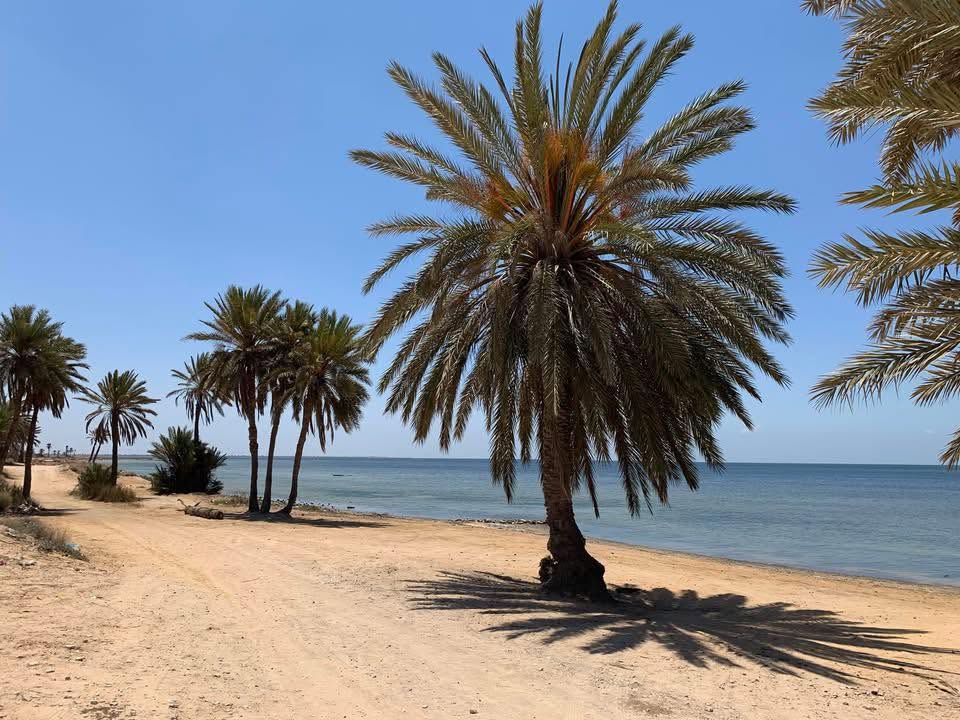
The long sweep of Sidi Mahrez on the northeast coast is Djerba’s classic beach — wide, soft, pale sand, shallow water shading from turquoise to deep blue, and the full apparatus of a resort beach: thatched umbrellas, loungers, beach clubs, and somewhere to get a pizza or a plate of grilled fish without leaving the sand. This is where most of the big hotels sit, and where most visitors spend most of their time.
It earns its popularity. The swimming is gentle, the sand genuinely good, and at sunset, with horse and camel riders silhouetted along the waterline, it’s as photogenic as the brochures promise. The trade-off is people: in high summer, the central stretch is busy. Arrive early for calm water, softer light, and a patch of sand to yourself before the morning fills up.
Seguia and the east coast: shallow, golden, family-friendly
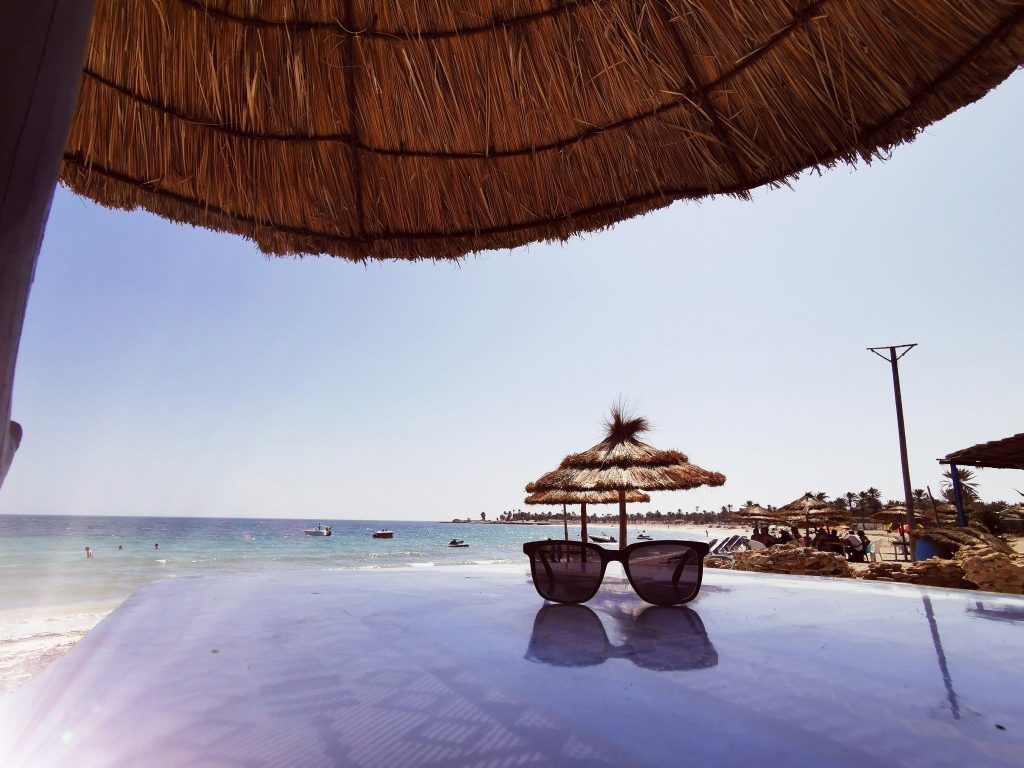
South of the main hotel strip, the east coast continues through Seguia (La Seguia) and down toward Aghir — golden sand, shallow water, and a slightly more relaxed feel than Sidi Mahres at its peak. Seguia sits near a lagoon, and the shallow, forgiving water makes this whole eastern run good for families with small children and for anyone who likes to wade out a long way before it gets deep. Aghir, further southeast, is sheltered and popular without being frantic.
Sidi Yati: the wild beach ten minutes away
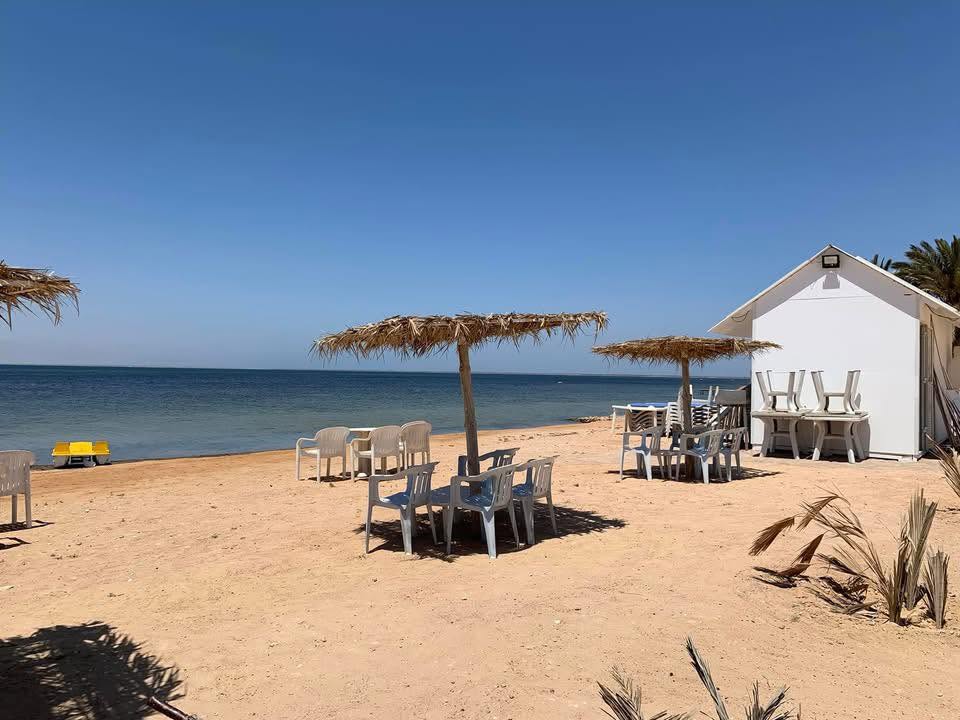
Here’s the local’s tip that changes a trip. Just a few minutes by car from the tourist zone, Sidi Yati (Yati) is a wilder, quieter beach with white sand and clear turquoise water — and it stays calm even when Sidi Mahres is heaving. There are actually two adjacent stretches, Yati I and Yati II, differing mainly in how rocky the entry to the water is. It’s a favourite for swimming and, at Yati I, even for scuba diving. If you want the beauty of the island’s beaches without the crowd, this is the easy win — close enough for a half-day, quiet enough to feel like a discovery.
Sidi Jmour: the west-coast escape and the sunset
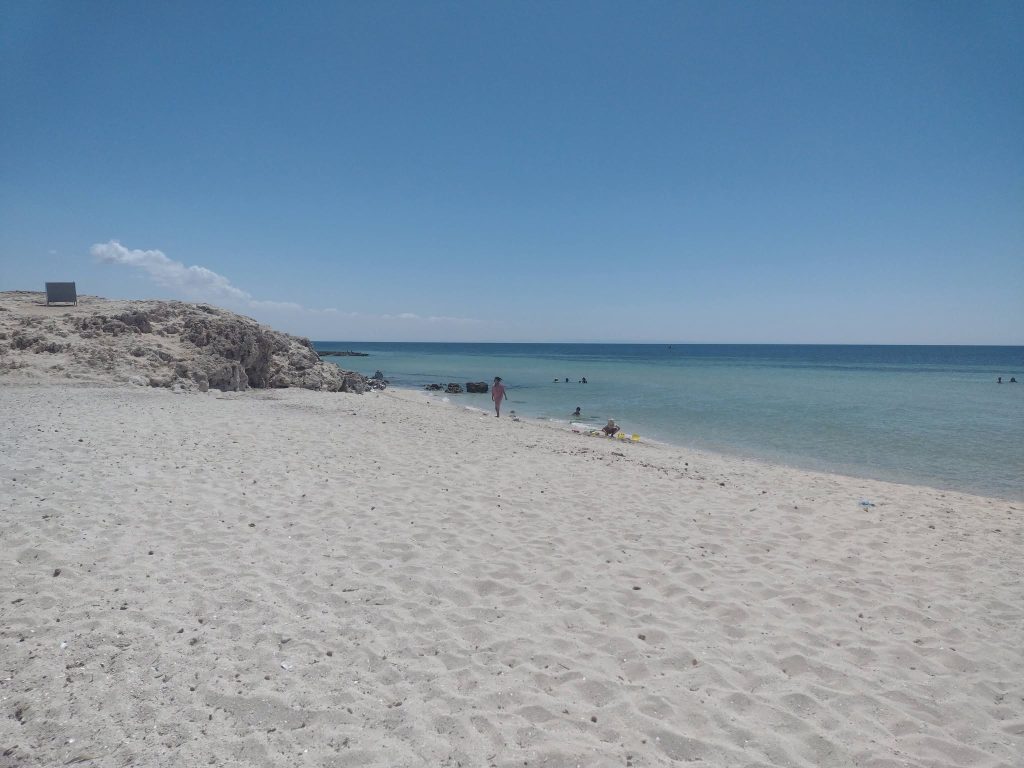
For genuine solitude, head to the west coast near the village of Ajim, where Sidi Jmour is one of the island’s most secluded beaches — a place to go for the pure quiet of it, with a rustic shoreline mosque, Sidi Jmour itself, perched nearby. The west coast catches the sunset, and this is one of the best places on Djerba to watch the day end over the water. It’s not a service beach — bring what you need — and that’s precisely the point.
Ras Rmal (Flamingo Island): the sandspit you reach by boat
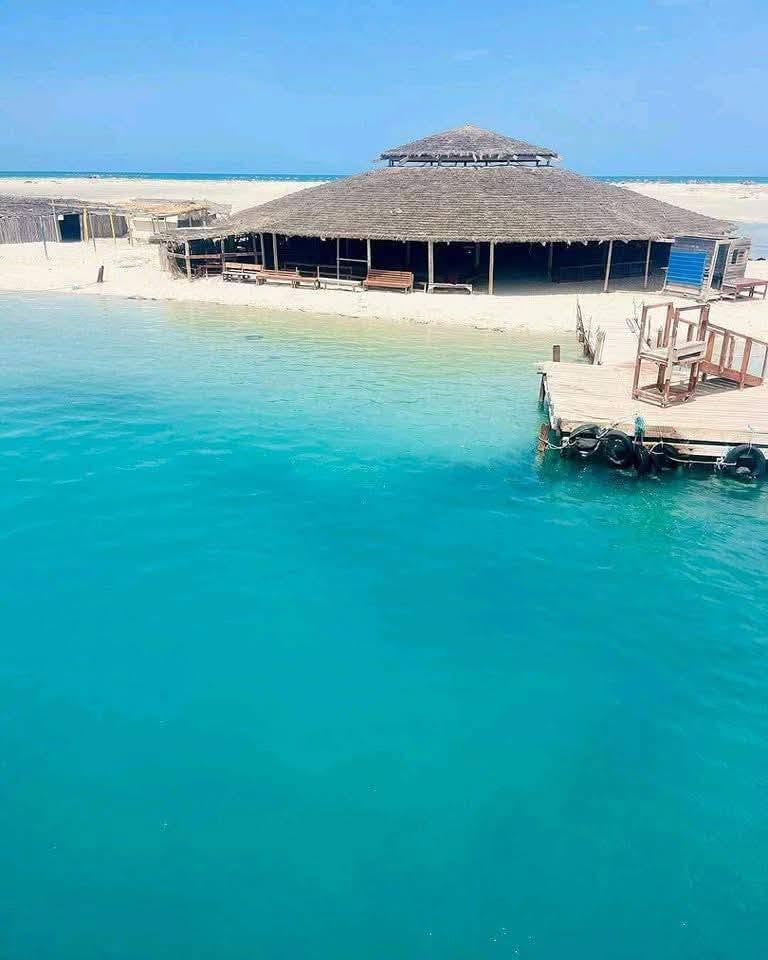
Off the island’s northern tip lies Ras Rmal, a long sand spit usually called Flamingo Island, reached by short boat trips from the harbour. Shallow turquoise water, picnic-on-the-sand simplicity, and — in season — the flocks of flamingos that give it its nickname. It’s a half-day excursion rather than a lounger-and-cocktail beach, and it’s a lovely one, particularly for families and photographers.
When to go: the beach calendar
Djerba’s beach season runs broadly from June to October, when the sea is warm and the days are long. The shoulder months reward those who can travel then: the sea stays warm well into mid-October, and spring brings empty sand and beautiful light. In the depths of winter the sea is too cold for comfortable swimming — though the southern beaches around Aghir and Guellala are more sheltered than windier Sidi Mahres, and a winter beach walk under blue sky is its own quiet pleasure. For the full month-by-month picture, see our guide to the best time to visit Djerba and Carthage Magazine’s Tunisia weather guide.
How to reach the quiet beaches
The catch with Djerba’s best beaches is that the prettiest, emptiest ones — Sidi Yati, Sidi Jmour, the western coast — are exactly the ones with no public transport and no taxi rank waiting outside. And since Tunisia has no ride-hailing apps, you can’t simply summon a car when you’re ready to leave a remote beach at sunset.
The cleanest solution is a driver who knows the island and can take you out, wait or return at an agreed time, and get you back. Marwen Gzam, a Djerba-born private driver, knows which beaches are calm on a given day and the right time to reach each one before the crowds — and because the trip is arranged in advance over WhatsApp (+216 98 617 679), there’s no risk of being stranded on a beautiful, empty beach with no way home. For a half-day, it turns the wild beaches from a logistical puzzle into the easiest part of the trip.
The bottom line
The beach in front of your hotel is the beginning of Djerba’s coast, not the whole of it. Spend a morning at Sidi Mahres for the full resort experience, then go looking: Sidi Yati for an easy escape, Sidi Jmour for the sunset, Ras Rmel for the flamingos. The island rewards the traveller who moves a little, and its best sand is almost always the sand you have to make a small effort to reach.
From the Carthage Magazine Bookshelf
If a Djerba beach holiday is on the horizon, three Carthage Magazine ebooks were built for the days between arrival and departure:
- All About Tunisia — the definitive English-language traveller’s guide. 572 pages, 27 chapters, all nine regions, every UNESCO inscription, five thematic trails, and the practical answers — visa, currency, transport, etiquette — most travellers wish they’d had on the plane. $24.99 · PDF & EPUB
- Speak Like a Local — 200+ Tunisian Arabic phrases with native audio recorded in Tunis. The phrases for the taxi, the souk, the café, and the dinner table. $14.99 · PDF, EPUB, MP3
- The Authentic Tunisian Cookbook — sixty traditional recipes from the heart of North Africa. For when you get home and find yourself missing the food. $9.99 · PDF & EPUB
All three available as a bundle for $39.99 — guide, language, and food, delivered together.

1 comment
Lovely description and images but we’re in Djerba now (August 2026) and what the images and words hide is the amount of plastic and rubbish scattered around the beaches and ok the sides of the roads, making this island less attractive for tourists who cares about the environment. In many places you also see abandoned resorts not as idyllic as this blog suggest.