
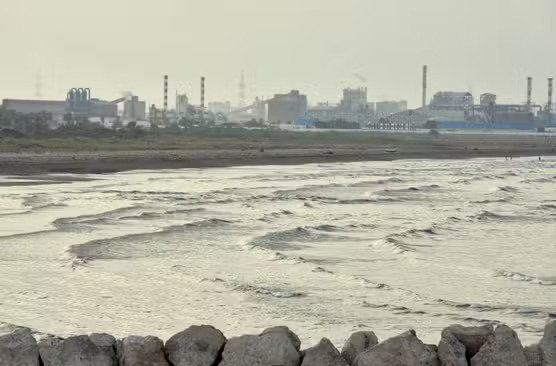
Tunis – The environmental crisis in Gabes has been exacerbated by the delay of six critical projects worth over 200 million Tunisian dinars aimed at controlling greenhouse gas emissions and improving local environmental conditions, according to Slah Zaouari, Minister of Housing and Public Works.
Zaouari confirmed that work on these projects would resume immediately, as the necessary funding is already secured and relevant studies have been completed. In addition, complementary initiatives are planned, with discussions ongoing with the African Development Bank for a TND 180 million funding package. These updates were shared during a plenary session of the Assembly of People’s Representatives dedicated to addressing the situation in Gabes.
The minister emphasized that, in the second phase of the effort, additional interventions will be launched to further improve the environmental conditions and ensure a healthier environment for all residents.
Among the key projects still in progress is a TND 6.2 million initiative designed to reduce nitrogen oxide emissions from nitric acid production units. With work nearly complete, at 98% finished, the remaining task involves the provision of insulative material, which will be finalized in the coming weeks. The project is expected to be fully operational by the end of the year.
Another priority is a TND 8 million project aimed at reducing sulfur dioxide emissions from sulfuric acid units. Currently, the project’s progress stands at 70%.
A third significant project focuses on improving ammonia gas scrubbing in the production units of DAP fertilizers, with a budget of TND 18.4 million. This project is 84% complete and is expected to finish within the next six months, which will substantially reduce emissions, according to the minister.
A fourth project, with a total cost of TND 30 million, will permanently lower sulfur dioxide emissions from sulfuric acid production units. The tender process for selecting an entrepreneur to lead this effort will begin soon, with work set to commence in the first quarter of 2026, followed by a six-month timeline for full implementation.
Additionally, a TND 6.2 million project will target the reduction of residual gas emissions at the ammonium nitrate plant’s sulfuric acid production facility. The first phase, involving the purchase and installation of a monitoring system, is complete, and the second phase, which has yet to begin, will start immediately, with a six-month timeline for completion.
These projects demand urgent and exceptional measures for successful implementation. The government has called upon both private companies and relevant authorities to collaborate with Chinese counterparts to ensure the projects’ swift completion. A Chinese technical team is scheduled to visit the Tunisian Chemical Group plants in Gabes on Tuesday to further discuss these efforts.
Zaouari also directed an immediate halt to the disposal of phosphogypsum into the sea, emphasizing the construction of a controlled storage site and advocating for the circular use of this material.
The minister noted that the real challenge lies in the efficient management and timely implementation of these projects. If the current initiatives are completed as planned, the government will proceed with additional projects to enhance the environmental situation and further modernize these production facilities.
