

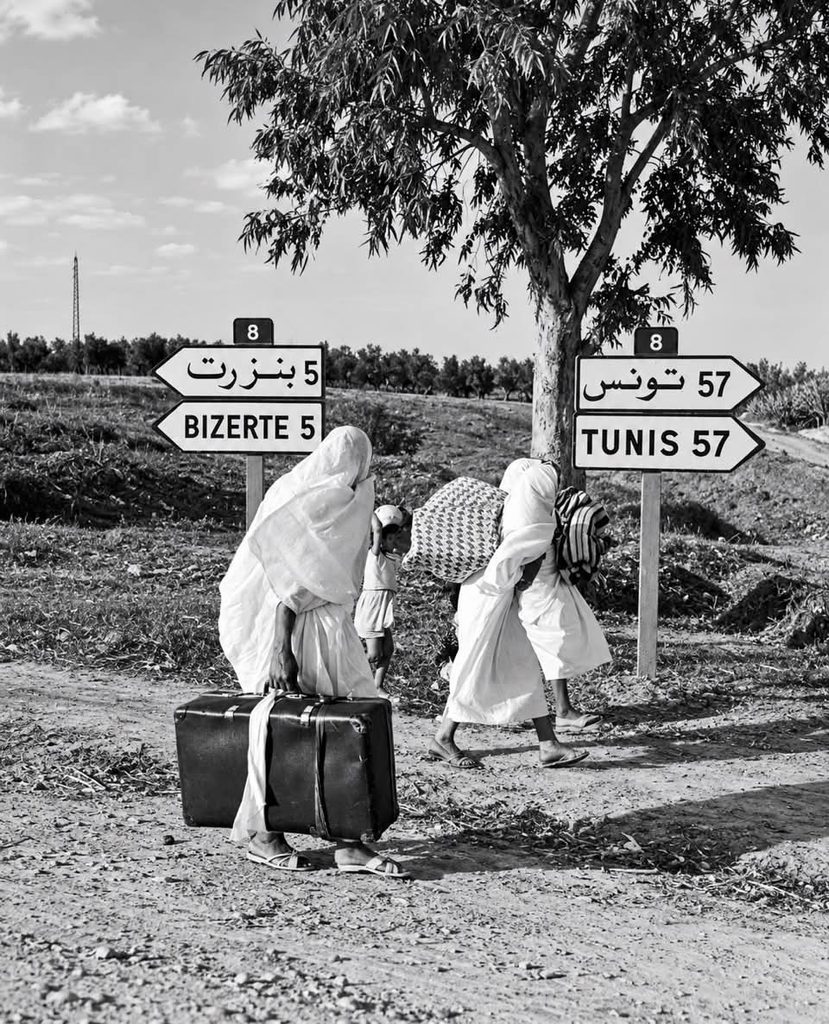
Quick Answer — Evacuation Day (Aïd el-Jala’), celebrated every October 15, marks the day in 1963 when the last French troops left Tunisia, sailing out of the naval base at Bizerte seven years after independence. It is a national public holiday; in 2026 it falls on a Thursday. Behind the date lies the Bizerte crisis of July 1961 — a four-day battle in which, by official counts, some 630 Tunisians and 24 French soldiers were killed. It is the chapter of Tunisian history most outsiders have never heard of, and the one that finally completed the country’s sovereignty.
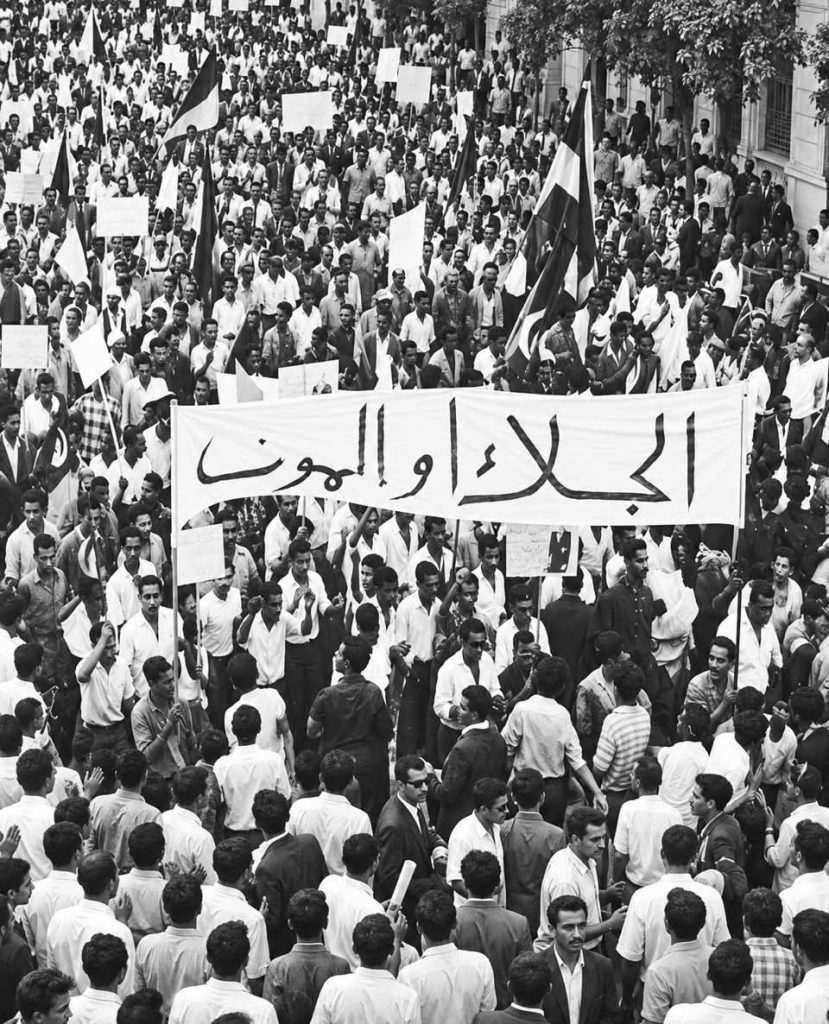
The day itself was an anticlimax — and that is the point. A Bizerte journalist who watched it happen remembers the French ships slipping away discreetly on October 15, 1963, while nothing at all was happening in town. No parade, no battle, no speech on the quayside. The drama had come two summers earlier, in the same streets, and it had ended very differently.
Independence, With a Foreign Base Inside It
When Habib Bourguiba secured independence on March 20, 1956, France did not leave everything behind. It kept its military installations — and Bizerte was the prize. The city’s deep harbour and inland lagoon made it one of the finest naval anchorages in the Mediterranean, and with war raging next door in Algeria, Paris argued the base was essential.
Bourguiba saw it differently. A foreign garrison on Tunisian soil was, to him, independence with an asterisk, and he pressed again and again for a timetable to evacuate every last French soldier. For five years the question sat unresolved, while France kept building at the base in a way that suggested it had no intention of going anywhere.
July 1961: The Battle of Bizerte
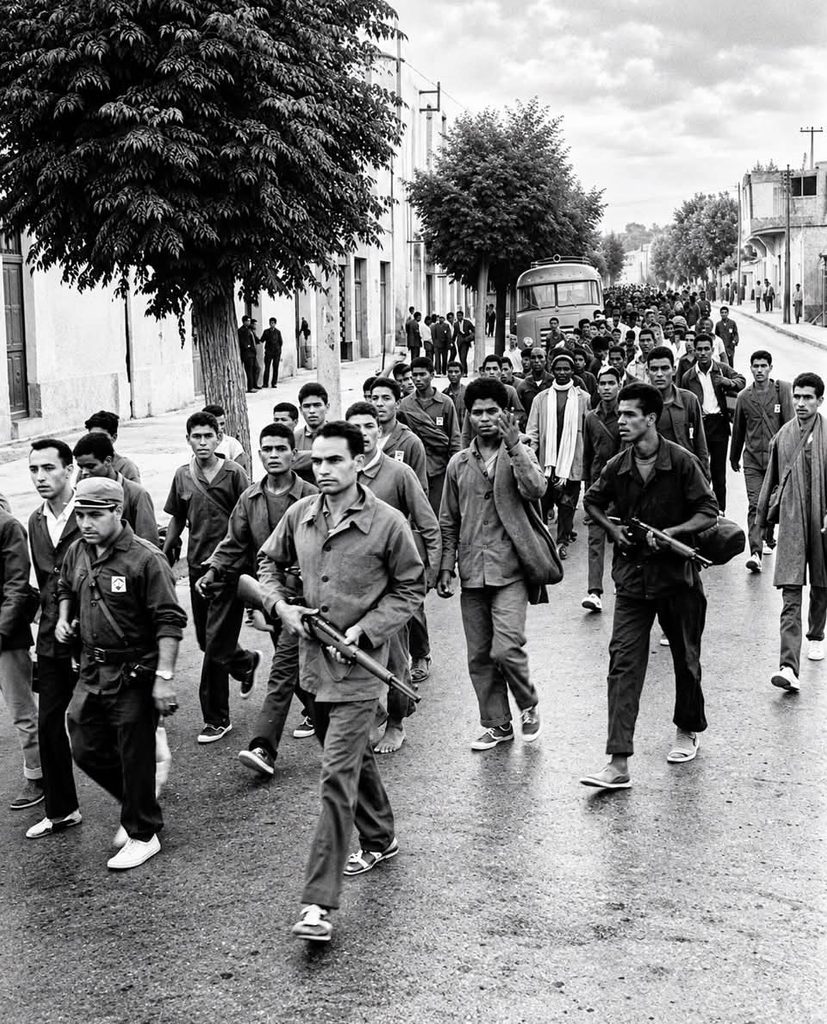
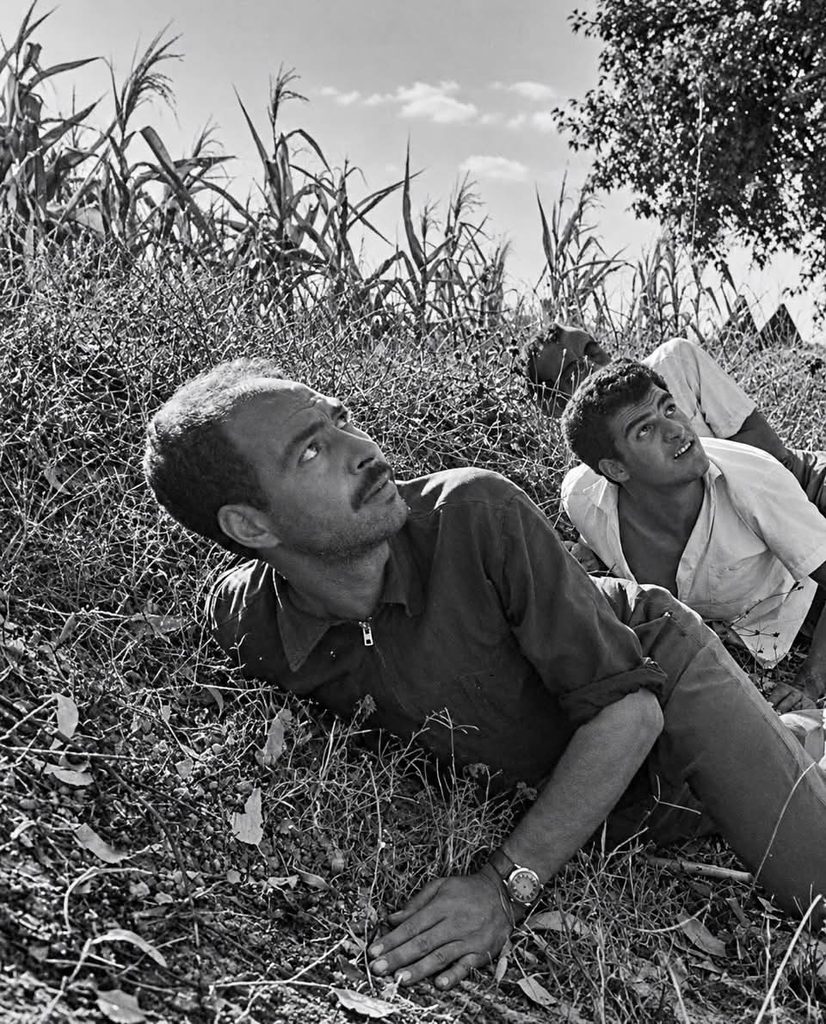
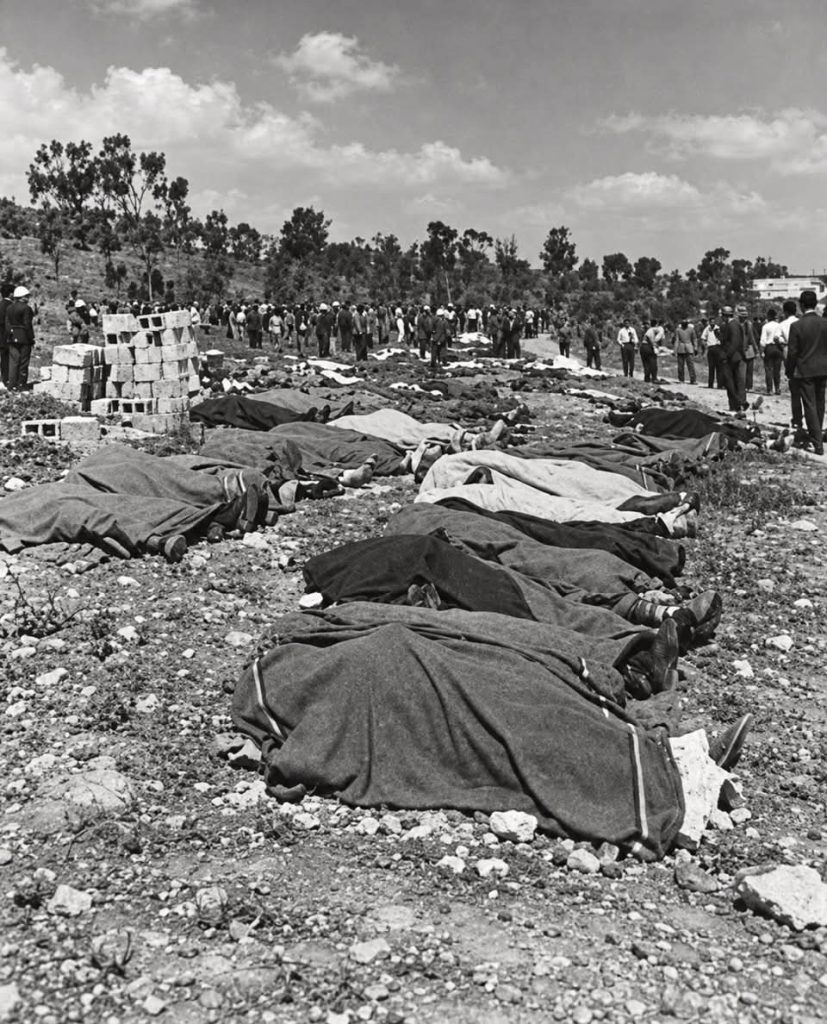
In July 1961 Tunisia lost patience and blockaded the base to force the issue. France answered with overwhelming force. Paratroopers and tanks pushed into the city from the south, marines stormed the harbour from landing craft, and three cruisers stood offshore. Against them were Tunisian soldiers, paramilitaries and hastily organised civilian volunteers, who fought the French street by street before being driven back. The fighting ran from July 19 to 23, and French forces also fired on the neighbouring town of Menzel Bourguiba.
The human cost was brutally uneven. Official figures record more than 600 Tunisians killed — some sources put the number in the thousands — against fewer than 30 French dead. Smaller clashes took place in the far south that summer too, at Remada and along the desert frontier.
Militarily, it was a defeat. Politically, it was a turning point. The international outcry, the United Nations debates and, above all, the approaching end of the Algerian War made the base impossible to hold for long. When Algeria won its independence in 1962, Bizerte’s strategic justification went with it. On October 15, 1963, at around three in the afternoon, the last French soldier left.
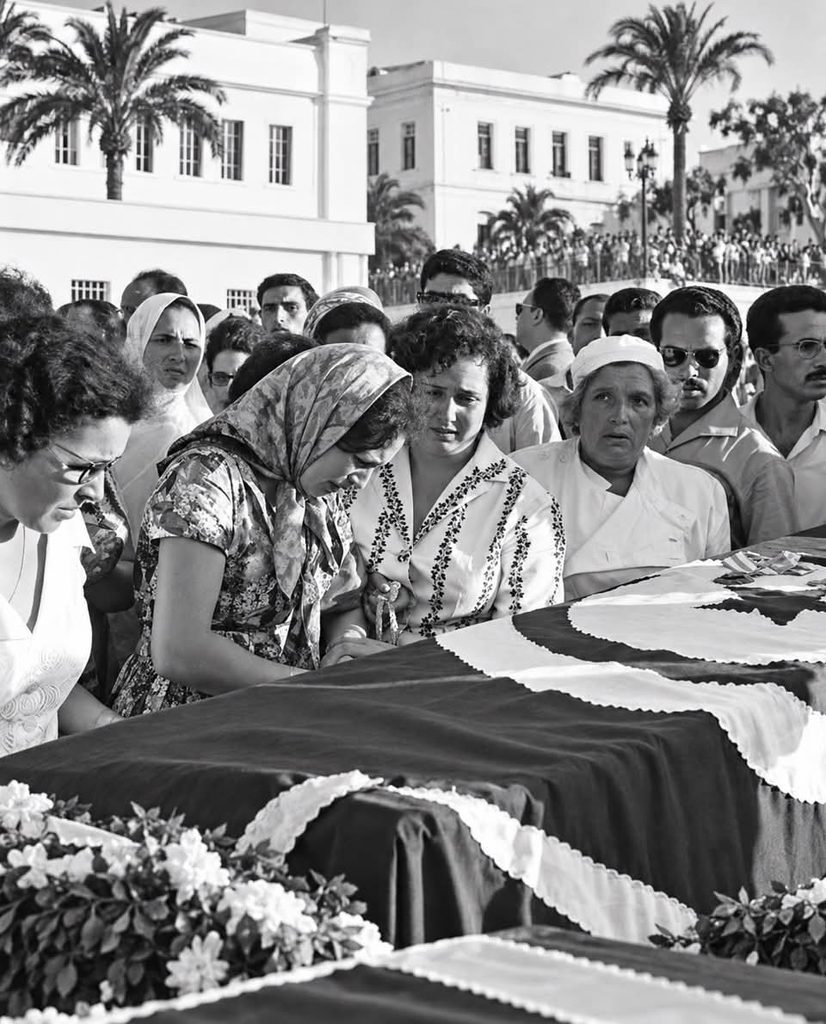
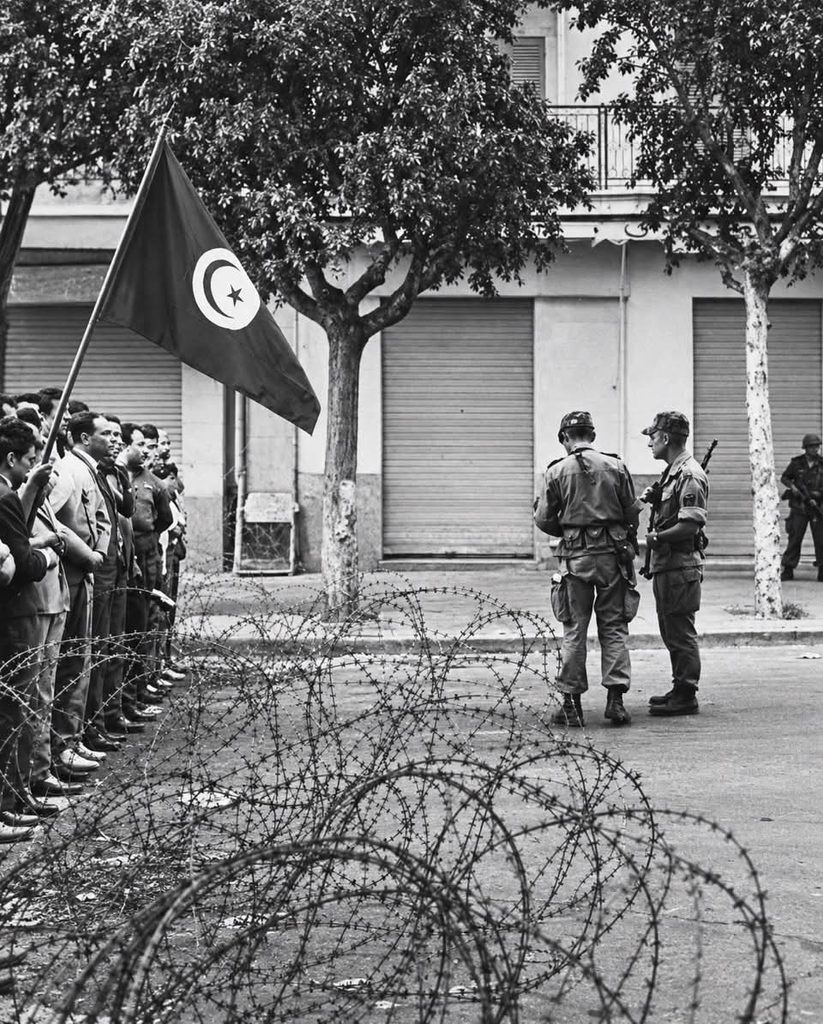

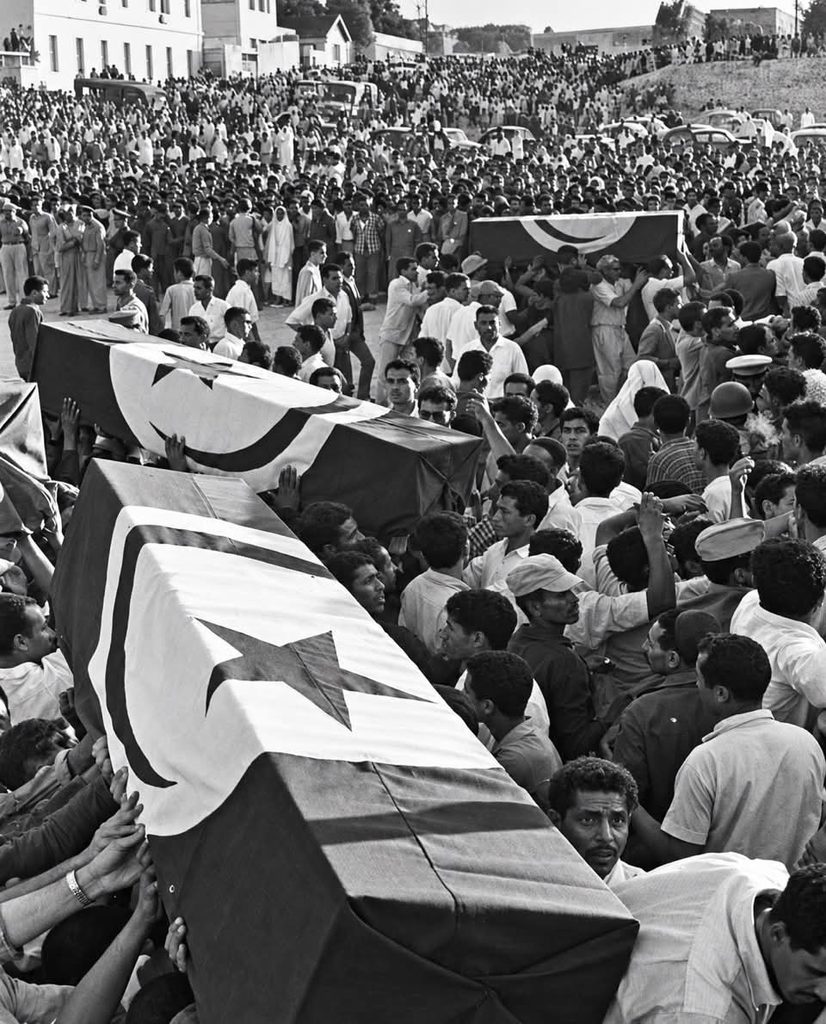
How Tunisians Mark the Day
Evacuation Day is quieter than Independence Day or Martyrs’ Day on April 9. Expect official ceremonies in Bizerte, flags on public buildings, and closed government offices, banks and schools; most shops and cafés stay open. The national commemoration centres on Bizerte and its martyrs’ memorial, where officials traditionally lay wreaths.
The quietness has an edge to it. Veterans of the 1961 fighting have long pointed out the irony: the uneventful day the ships left is a national holiday, while the men and women who fought in the streets two years earlier are largely forgotten, many still waiting for recognition from both countries. If Evacuation Day asks anything of Tunisians, it is to remember that independence was not signed into being in 1956. It was finished in Bizerte, and it was paid for.
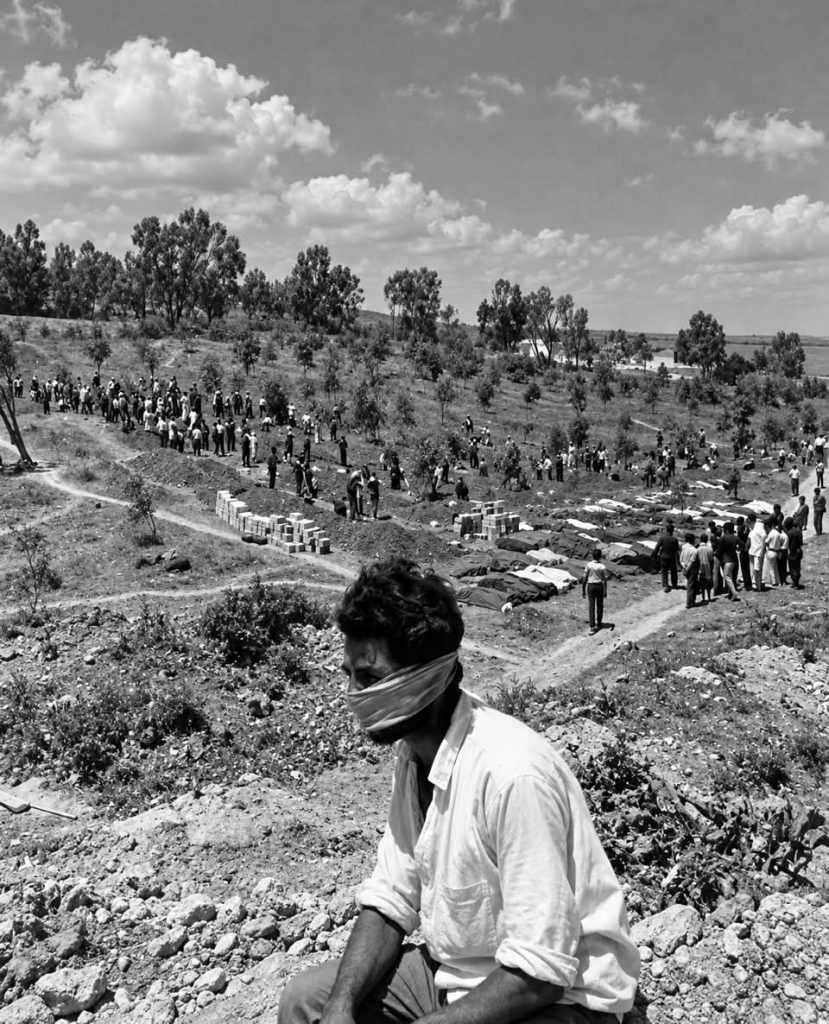
Visiting Bizerte — on October 15 or Any Other Day
Bizerte rewards a visit in any month. Start at the Old Harbour, where fishing boats bob beneath the kasbah walls with no hint of 1961, then walk the corniche as the light goes gold. Our Bizerte travel guide covers the logistics; for the city’s character, read how one writer fell in love with Bizerte. And for the rest of the national calendar, see our guide to Tunisia’s public holidays.
FAQ
What is Evacuation Day in Tunisia? A national holiday on October 15 marking the departure of the last French troops from Tunisia, from the naval base at Bizerte, in 1963.
Why did French troops stay after independence? France kept the Bizerte naval base after 1956, largely because of its strategic importance during the Algerian War.
What was the Bizerte crisis? A confrontation in July 1961 in which Tunisia blockaded the French base and France responded militarily. Official figures record about 630 Tunisian and 24 French deaths.
Is October 15 a public holiday in Tunisia? Yes. Government offices, banks and schools close; many private businesses remain open. In 2026, October 15 falls on a Thursday.
Is Evacuation Day the same as Independence Day? No. Independence Day is March 20, marking independence in 1956. Evacuation Day, October 15, marks the final withdrawal of French forces seven years later.


From the Carthage Magazine Bookshelf
If Bizerte has you curious about the rest of the story, start here:
- All About Tunisia — the definitive English-language traveler’s guide. 572 pages, 27 chapters, all nine regions, every UNESCO inscription, five thematic trails. $24.99 · PDF & EPUB.
- Speak Like a Local — 200+ Tunisian Arabic phrases with native audio recorded in Tunis. $14.99 · PDF, EPUB, MP3.
- The Authentic Tunisian Cookbook — sixty traditional recipes from the heart of North Africa. $9.99 · PDF & EPUB.
All three available as a bundle for $39.99 — guide, language, and food, delivered together.
